
College Timeline

Preloader
  • 2024

    The Nucleus

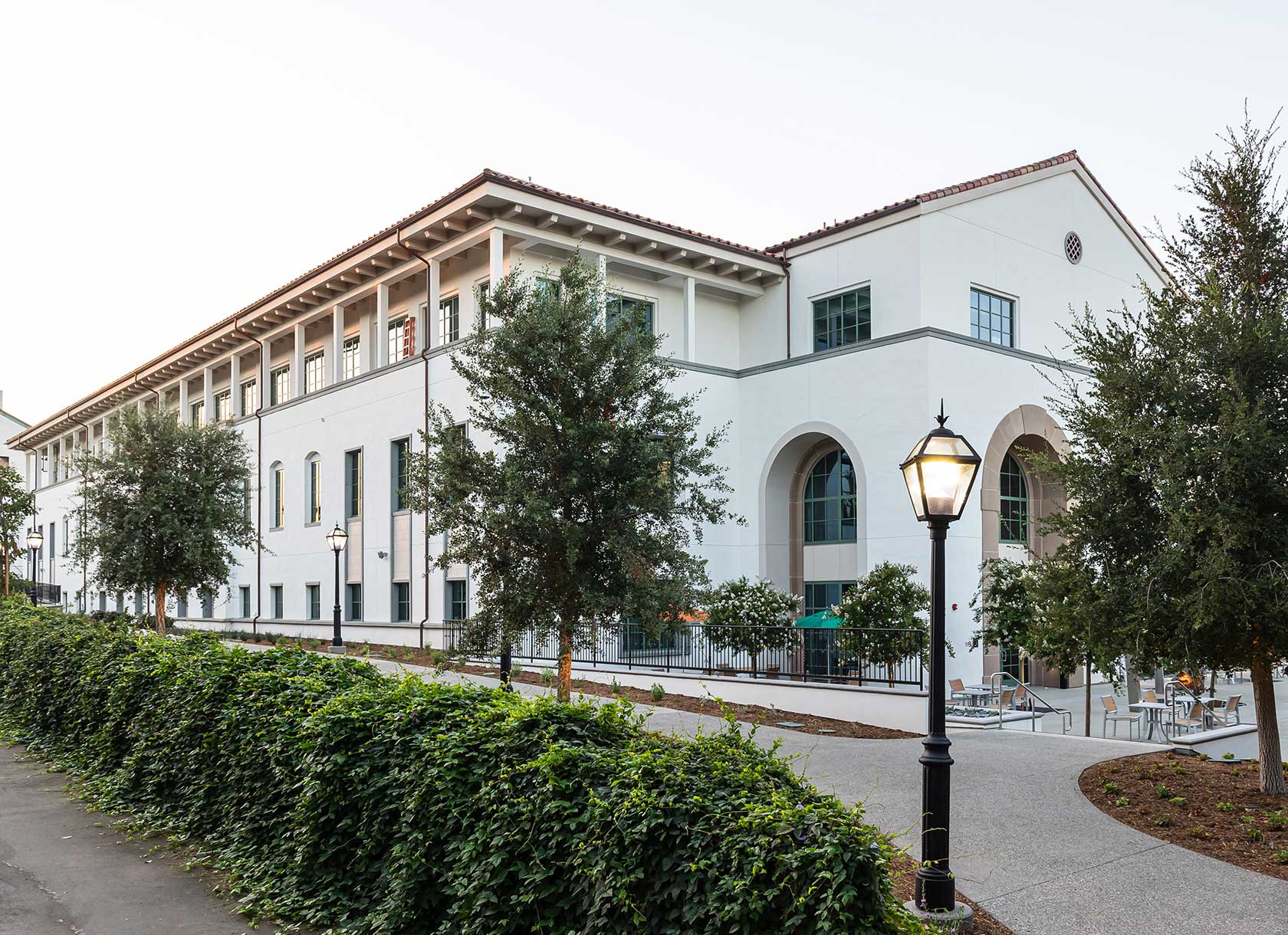
    The Nucleus, the new state-of-the-art science center shared between Scripps and Pitzer Colleges opens in fall.
  • 2023

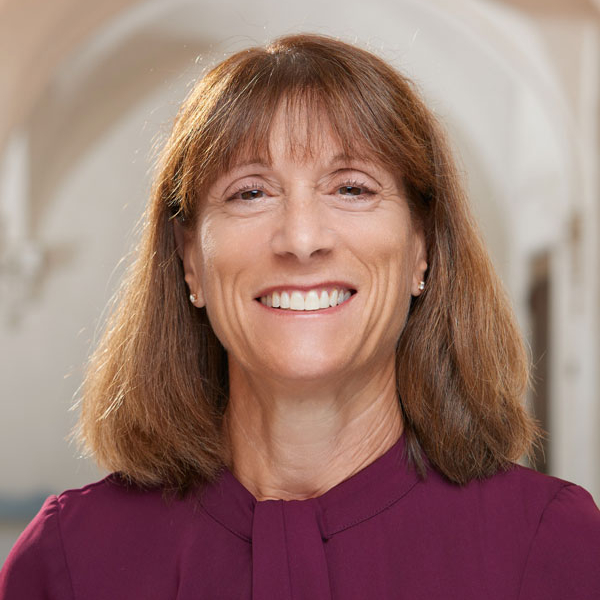
    Portrait of president Amy Marcus-Newhall, plum colored dress

    Amy Marcus-Newhall is appointed the College’s 11th president by a unanimous vote of the Board of Trustees.
  • 2022

    Scripps and Pitzer Colleges celebrate the groundbreaking of the new science center on May 13. On July 1, Suzanne Keen begins her term as the 10th president of Scripps College.

  • 2021

    Scripps’ ninth president, Lara Tiedens, resigns effective April 15. After 18 months of remote instruction due to the COVID-19 pandemic, students return to campus for the fall academic semester.

  • 2020

    A variety of sustainability efforts were implemented, including: solar panel installation on the Lang Arts building roof, the addition of smart meters on every building, LED retrofits in all residence halls’ browsing rooms, and upgrading life-cycled boilers with low-emission replacements. The College celebrated the 50th anniversaries of Chicano Latino Student Affairs..Read More

  • 2019

    A new rose garden was dedicated in the South Balch Courtyard to honor the life and contributions of alumna and Life Trustee Gabrielle Jungels-Winkler ’72.

  • 2018

    The College’s new strategic plan, the Scripps Centennial Plan, is developed. The campaign for Scripps College: More Scripps is the most successful campaign in Scripps’ history, raising $179M.

  • 2017

    The College embarks on a strategic planning process initiated by President Tiedens, advancing four themes: Inclusive Student Success, Mission-Driven Outreach, Distinctive Identity, and Innovative Learning Organization.

  • 2016

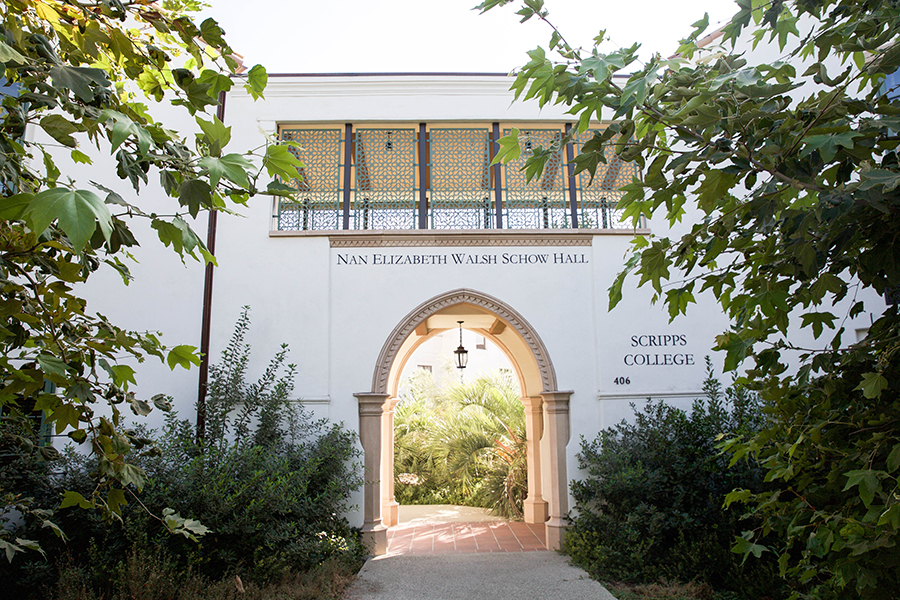
    Lara Tiedens is appointed the College’s 9th president by a unanimous vote of the Board of Trustees. Scripps’ tenth residence hall, NEW Hall, opens to new and returning students.

  • 2015

    2015

    Lori Bettison-Varga announces her resignation as Scripps College’s eighth president, effective October 2, 2015. The Laspa Center for Leadership welcomes its new director, Lisa Watson, and opens operations in fall. Construction on NEW Hall begins.
  • 2014

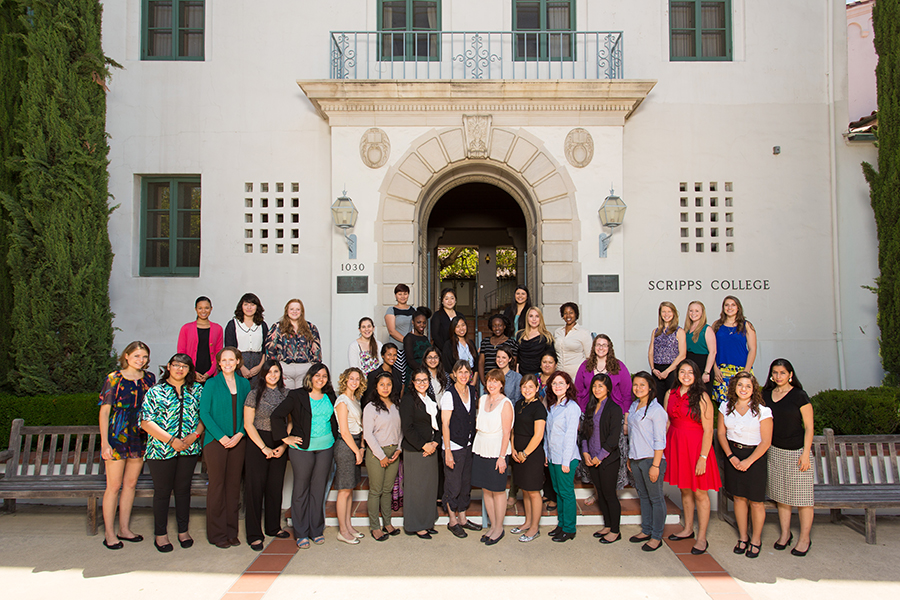
    The Katharine Howard Miller ’55 Wing of the Bette Cree Edwards ’49 Humanities Building opens during the summer break.

  • 2013

    Launch of the College’s largest ever campaign We Want More: The Campaign for Scripps College. At $175 million, We Want More strives to further academic excellence, national leadership, signature campus and financial strength. It was fueled by the collected power of the Scripps Community. Scripps awards the Ellen Browning Scripps..Read More

  • 2012

    2012

    Scripps College Academy celebrates 10 years of successful year-round programming for middle and high school young women.
  • 2011

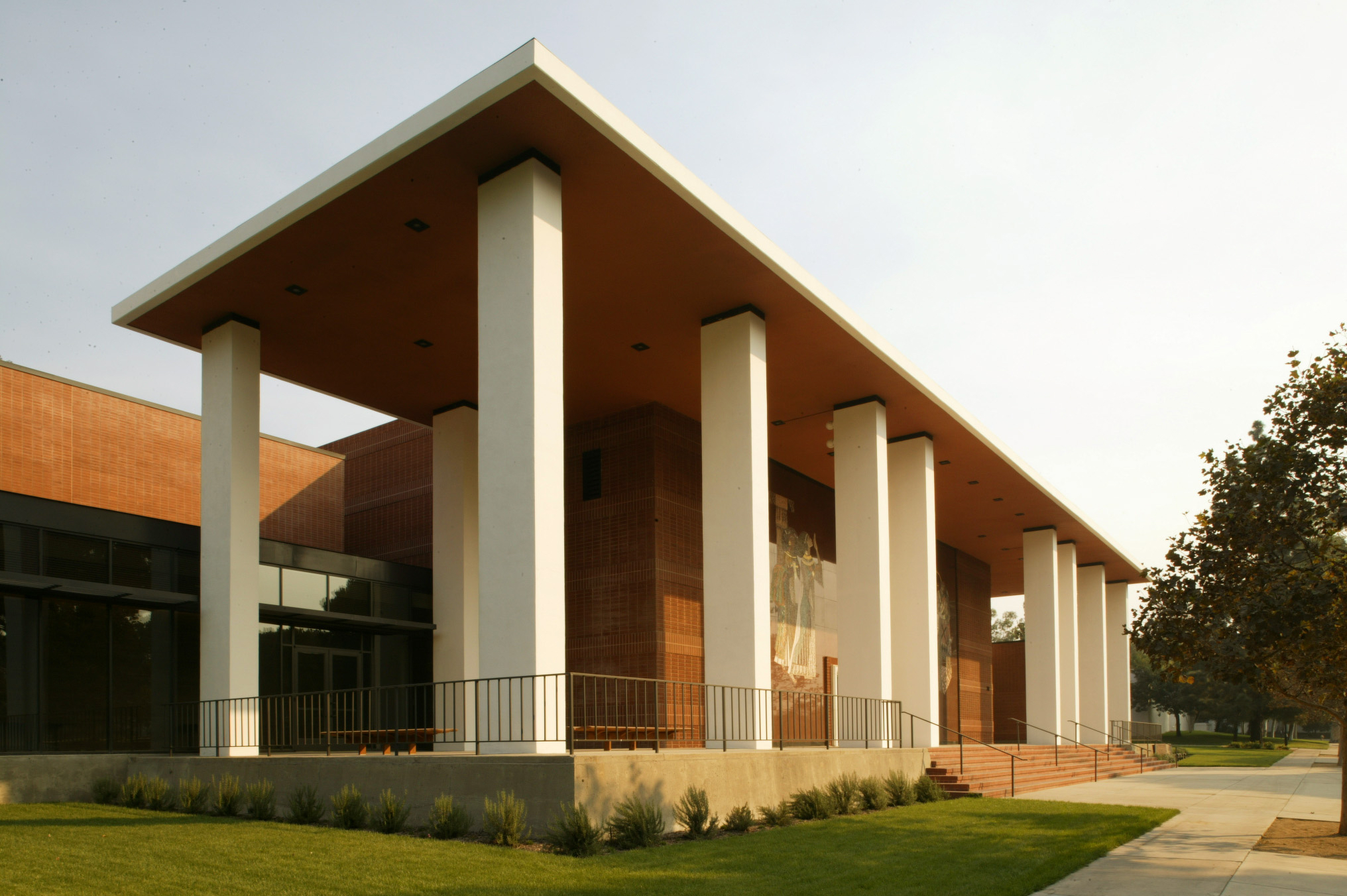
    The “Nellie” Scholarship, established in honor of Ellen Clark Revelle ’31, is made available for continuing students. The College actively participates in “Pacific Standard Time: Art in L.A. 1945-1980,” a collaboration of more than 60 cultural institutions in Southern California. The Joint Science Department becomes the W.M. Keck Science Department..Read More

  • 2010

    Scripps College Academy receives National Arts and Humanities Youth Program Award, the highest recognition given to youth programs, in a White House ceremony. Elizabeth Turk ’83 wins MacArthur “Genius” Award.

  • 2009

    Lori Bettison-Varga is appointed eighth president of Scripps College. She and her family move into the Revelle House, the first president to live on campus since John H. Chandler.

  • 2008

    The Sallie Tiernan Field House opens its doors to students, faculty, and staff.

  • 2007

    Scripps’ sixth president, Nancy Y Bekavac, announces her resignation, effective July 1, 2007. Frederick “Fritz” Weis” is appointed interim president and is named full president in 2009. An anonymous donor makes a $10 million gift to the College to support faculty initiatives on behalf of the Board of Trustees. This..Read More

  • 2006

    Sallie Tiernan Field House, a state-of-the-art recreational and athletic facility to be located next to the swimming pool on the east side of campus. The Board of Trustees approves the strategic plan, “Scripps College in the Next Decade: Leading with Excellence,” which focuses on academic excellence and women’s leadership.

  • 2005

  • 2004

    The most ambitious fundraising campaign in Scripps history surpasses its original $85 million goal with gifts and pledges totaling over $101 million. Over 87% of Scripps alumnae contributed to the Campaign for the Scripps Woman, which began its public phase in 1999 and concluded June 30, 2004. Scripps College Landscape..Read More

  • 2003

    2003

    The Performing Arts Center, an expansion of Garrison Theater, opens. Music practice rooms and classrooms, faculty offices, the Nancy Hart Glanville Music Library, and the MaryLou and George Boone Recital Hall are added. The new center becomes the permanent home for The Claremont Colleges Joint Music Program, consisting of Scripps,..Read More

  • 2002

    Scripps celebrates its 75th Anniversary with yearlong events: the Bradford Blaine Faculty Lecture Series; a Distinguished Speaker Series that includes Dr. Susan Love, financial guru Susie Orman, renowned author Sandra Cisneros, political commentator Molly Ivins, and pioneering architect Norma Sklarek; and the Gabrielle Jungels-Winkler Inaugural Lecture featuring former President of..Read More

  • 2001

    The Ellen Browning Scripps Reading Room is added to Denison Library. The room was an existing space redone to house collected papers, books, and personal letters of the College’s founder. The new Scripps Pool is completed and opens, phase one of a three-phase transformation of east campus, which will eventually house the Sallie..Read More

  • 2000

    Gabrielle Jungels-Winkler Hall opens to students. Named for alumna Gabrielle Jungels-Winkler ’72, who provided key guidance to architects on this project in addition to supporting student scholarship programs, an endowed faculty chair in contemporary European studies, a lecture series at the European Union Center of California, as well as other..Read More

  • 1998

    Supreme Court Judge Sandra Day O’Connor is awarded the second Ellen Browning Scripps Medal.

  • 1994

    scripps student at ruth chandler williamson gallery

    Quotes of famous women in the arts, letters, and sciences are chosen by a committee of students, faculty, and alumnae to line “Inscription Walk,” a pathway connecting the W.M. Keck Science Center to Scripps’ east side of campus. The walk features quotes by scientists Maxine Singer, Rachel Carson, Maria Mitchell..Read More

  • 1992

    The W.M. Keck Science Department moves from its previous home in Steele Hall and the neighboring buildings. A two year renovation begins to develop a dedicated Scripps art center, and provide a permanent home for Scripps Information Technology Services and other administrative needs.

  • 1990

    Nancy Y. Bekavac, graduate of Swarthmore College and Yale Law School, begins her term as Scripps College president, becoming the first woman fully appointed to this position.

  • 1989

    E. Howard Brooks assumes the Scripps presidency for a single year.

  • 1984

    Buildings and gardens at the center of Scripps campus are selected for inclusion in the National Register of Historic Places.

  • 1976

    John H. Chandler is appointed president of Scripps College, serving until 1989. The Southern California Intercollegiate Athletic Conference begins sponsorship of women’s sports. The existing Claremont Men’s College/Harvey Mudd competitive athletics program expands to include students from Scripps. The new program, CMS, chooses the team names the Athenas (women’s teams)..Read More

  • 1975

    In spring, Scripps’ student-run campus coffeehouse, The Motley to the View, opens its doors for business. Over the years, the Motley has changed venues from Balch Hall to the basement of Old Lang to the Frankel-Routt complex, and finally to its current location in Malott Commons.

  • 1972

    Scripps honors its first president, Ernest J. Jaqua, by renaming the central grassed area Jaqua Court and Quadrangle. The primary green remains a gathering place for residents and visitors alike, and it is the site for several annual College events during Fall Orientation, Family Weekend, and Commencement, among others.

  • 1970

    1970

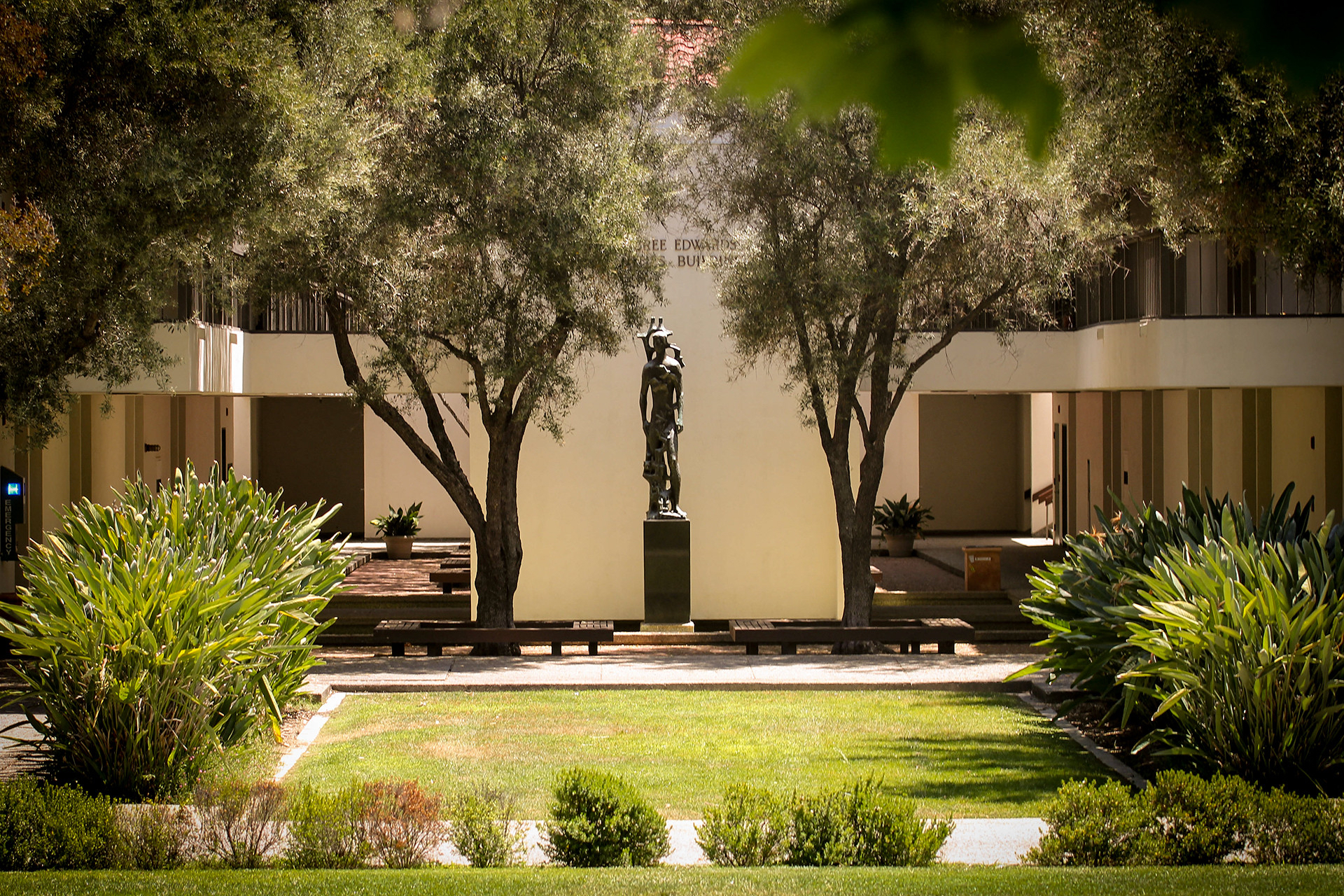
    Bette Cree Edwards Humanities Building opens to serve as the principal classroom facility for the campus and the interdisciplinary Humanities Program. It is named for Bette Cree Edwards ’49, a former member of the Board of Trustees. Architect John Carl Warneke combines modern forms with the traditional Mediterranean style of..Read More

  • 1969

    During the Civil Rights movement of the 60s, Claremont feels the explosion of two bombs, one in Balch Hall and the other in Pomona College’s Carnegie Hall. The bombings happen concurrent with teach-ins regarding the development of a Black Student Union on campus.

  • 1966

    To accommodate 200 new students, two new residence halls are built on the east side of campus, Frankel and Routt. Originally conceived as a single facility with three wings by architects Criley and McDowell, the structure was reconfigured to offer a greater variety of room arrangements (singles, doubles, triples, suites, and kitchenette apartments)..Read More

  • 1964

    Mark H. Curtis becomes Scripps’ president, serving from 1964 to 1976.

  • 1963

    Garrison Theater opens to provide a facility for all the Claremont Colleges to use for theatrical productions, concerts, movies, lectures, and other events. Longtime Scripps trustee Robert H. Garrison and his wife, Catherine Garrison, who graduated from Pomona College and Claremont Graduate University, provide the initial funding.

  • 1960

    Scripps’ fifth residence hall, Mary Kimberly Residence Hall, opens to students. The hall is funded in part by gifts from friends and trustees of Harvey Mudd College, whose female students are housed in Kimberly from 1960-1980. The hall honors Mary Kimberly Shirk of Redlands, a longtime trustee of Scripps and..Read More

  • 1958

    Designed by Smith and Williams of Pasadena, the Music Building opens with a recital hall seating 150, a music library, classrooms, practice rooms, and faculty offices. The hall is named in honor of pianist Lee Pattison, or “Mr. Pat” to students, a Scripps professor of music. The Caster Music Library..Read More

  • 1947

    scripps commencement in 1947 under Elm Tree Lawn

    For the first time, Commencement is held on Elm Tree Lawn. Previously located on Bowling Green, the new location provides a symbolic movement from the College’s classrooms to the alumnae house, located at Revelle house on the east end of the lawn.
  • 1946

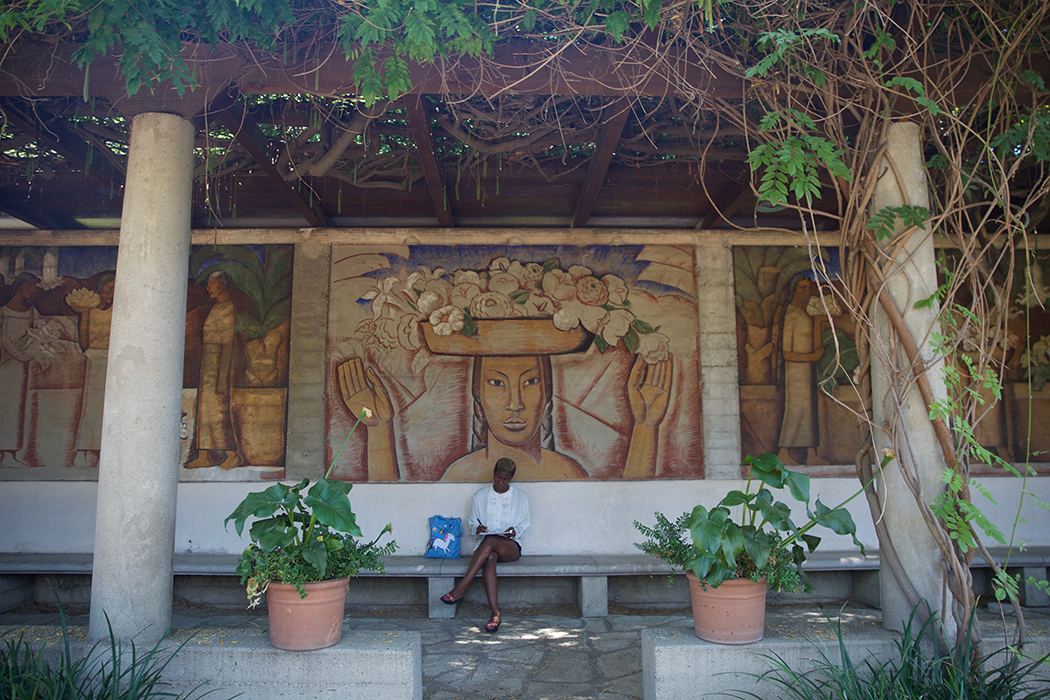
    scripps student sitting at Margaret Fowler gardens

    Alfredo Ramos Martinez, the “Father of the Mexican Mural Movement of the 20th Century,” is commissioned to create the Margaret Fowler Garden, “The Flower Vendors.” The entire composition is sketched on the plaster wall, which is over 100 feet long, and begins work on several panels. He falls ill and passes..Read More

  • 1944

    Distinguished Shakespearean scholar Frederick Hard is named Scripps’ new president. Hard serves the College for a period of 20 years, the longest tenure of any Scripps president.

  • 1942

    With American involvement in World War II, the search for a new president of Scripps is temporarily halted and an interim female president is appointed: Mary Kimberly Shirk. Shirk, who was asked by the Board to “serve for a month or two,” remains in the position until the War concludes.

  • 1941

    The Scripps College Press is a gift from the class of 1941 and begins printing that year. Frederic W. Goudy, one of the most prominent type designers of his era, designs a special font for the press: Scripps College Old Style. The press runs until 1971 and is revitalized in..Read More

  • 1939

    The President’s House is built, following Gordon Kaufmann’s design. The first six presidents of Scripps resided in this structure during their respective tenures. The 16 American elms that comprise Elm Tree Lawn and flank the walkway between the President’s House and Balch Auditorium are planted. Mrs. Denison donates the 21..Read More

  • 1938

    March 2, a flood occurs in Claremont, causing about $7,000 of damage to Toll and Clark Halls. Residents took refuge in Browning and Dorsey Halls, which are unaffected. Soon after, the famous floodwalls are erected to prevent further water damage. Today the students joke the walls keep the “mudd” out,..Read More

  • 1936

    In the summer, the central quadrangle is grassed, primarily due to the energy of two Grace Scripps Clark Hall residents from the class of 1936: Cynthia Criley Williams and Helen Ely Brill. In their sophomore year, the two women began an adamant “Grass Before We Graduate” campaign. For two years,..Read More

  • 1935

    Mrs. Florence Rand Lang makes an initial gift that will eventually become the anchor for the south campus. The original Lang Art Building begins as two studios, though the design for the complete two-story structure is sketched by Professor of Art Millard Sheets, then drawn into a viable plan by..Read More

  • 1934

    Mrs. Charles Stinchfield and a bequest from Mrs. Eldridge M. Fowler funds the donation of the Oratory, which features selections from Mrs. Fowler’s collection of antique Italian furniture and fine textiles. This Oratory later becomes a key part of Margaret Fowler Garden. Architect Gordon Kaufmann designs Margaret Fowler Garden, an..Read More

  • 1933

    The first swimming pool and units of the field house are completed at Alumnae Park (an area that eventually became part of Harvey Mudd College campus). Alumnae Park is dedicated to the honorary alumnae from the early years of the College before there was a true alumnae association. The Association..Read More

  • 1931

    In June, the first class graduates from Scripps College on Bowling Green.

  • 1930

    In fall, Susan Miller Dorsey Hall is ready for occupancy, and remains the youngest residence hall at Scripps for thirty years. Financed almost entirely by women, the hall is named for Mrs. Dorsey, who was the first woman superintendent of schools in Los Angeles and one of the first trustees..Read More

  • 1929

    Designed by architect Sumner Hunt of Los Angeles, Janet Jacks Balch Hall is completed in fall and becomes the primary academic facility. The building is a gift of Mr. and Mrs. Allan C. Balch of Los Angeles, and named in honor of trustee Janet Jacks Balch. Today Balch Hall is..Read More

  • 1928

    Grace Scripps Clark Hall in 1928

    In fall, Grace Scripps Clark Hall is completed. It is the joint gift of Grace Scripps Clark and Ellen Browning Scripps, in memory of James E. Scripps, founder and editor of the Detroit Evening News and father and brother of the donors. The building features a high-ceilinged baronial dining room,..Read More

  • 1927

    Ernest J. Jaqua, for whom Jaqua Quadrangle is named, is elected the first president of Scripps. Jaqua recruits an initial faculty dominated by men, even though women trustees had requested that one-half of the faculty be female. In the fall, Scripps College opens. The College consists of three small cottages:..Read More

  • 1926

    Ellen Browning Scripps endows a college for women as the first element in a coordinated system of affiliated colleges and graduate schools surrounding Pomona. The College was to offer to women an education designed to “train her for the fullest and richest life that she herself may have, as well..Read More

  • 1923 and before

    James A. Blaisdell, president of Pomona College, writes to Ellen Browning Scripps, of La Jolla, his hopes for a “group of institutions divided into small colleges—somewhat on the Oxford type.” Ellen Browning Scripps becomes one of the founders of a new corporation, named The Claremont Colleges. Indigenous Peoples The first..Read More